
Al Khous
A palm tree for every purpose
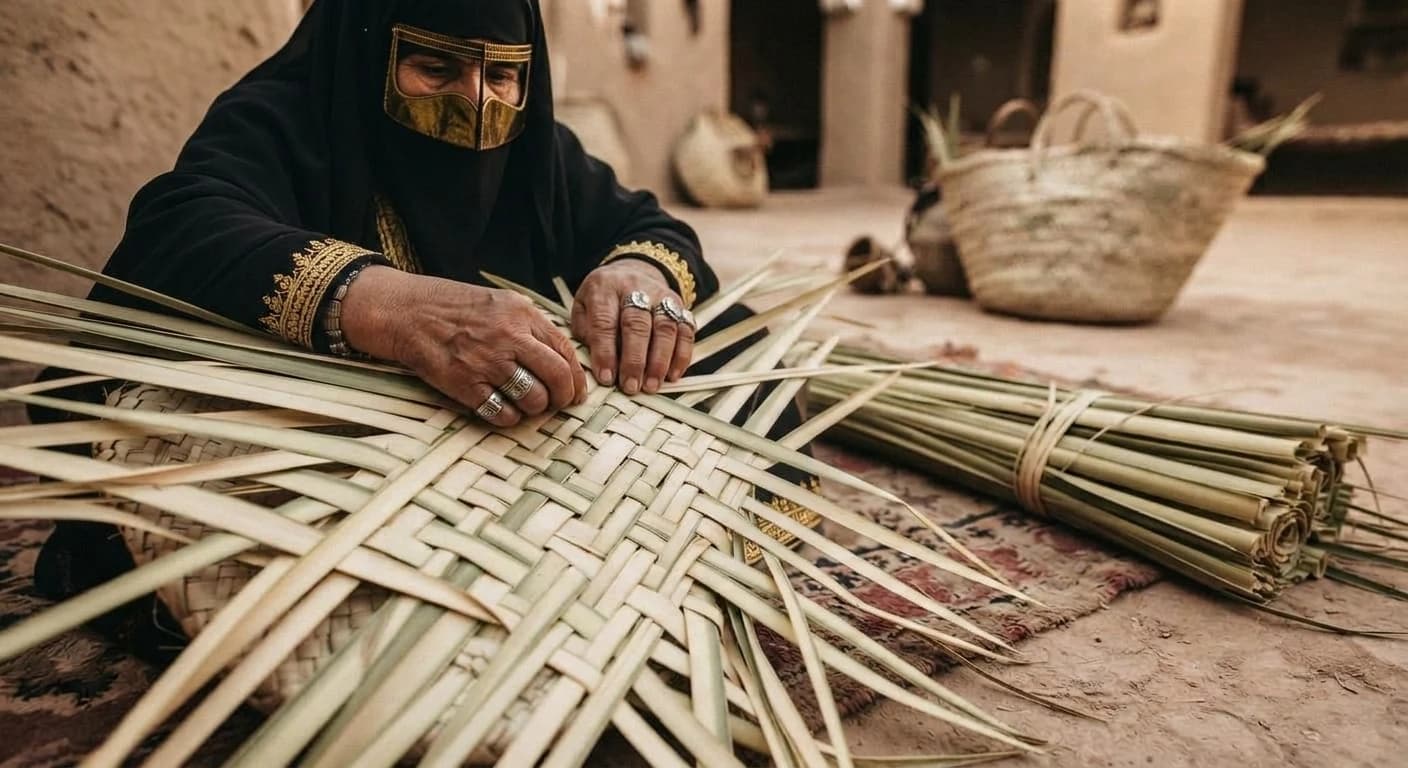
From the palm tree, a world of possibilities.
Across the Arabian Gulf, Al Khous, traditionally practised by both men and women, was born out of necessity and the resourceful use of the date palm. Its leaves and fronds were woven into everyday essentials, from baskets and mats to food covers, fans and storage containers. Passed down through generations, the craft evolved across the region, with each community developing its own techniques, patterns and styles. What began as a practical necessity gradually became an expression of creativity, transforming a humble natural material into objects of beauty and purpose.
The Journey of a Palm Frond
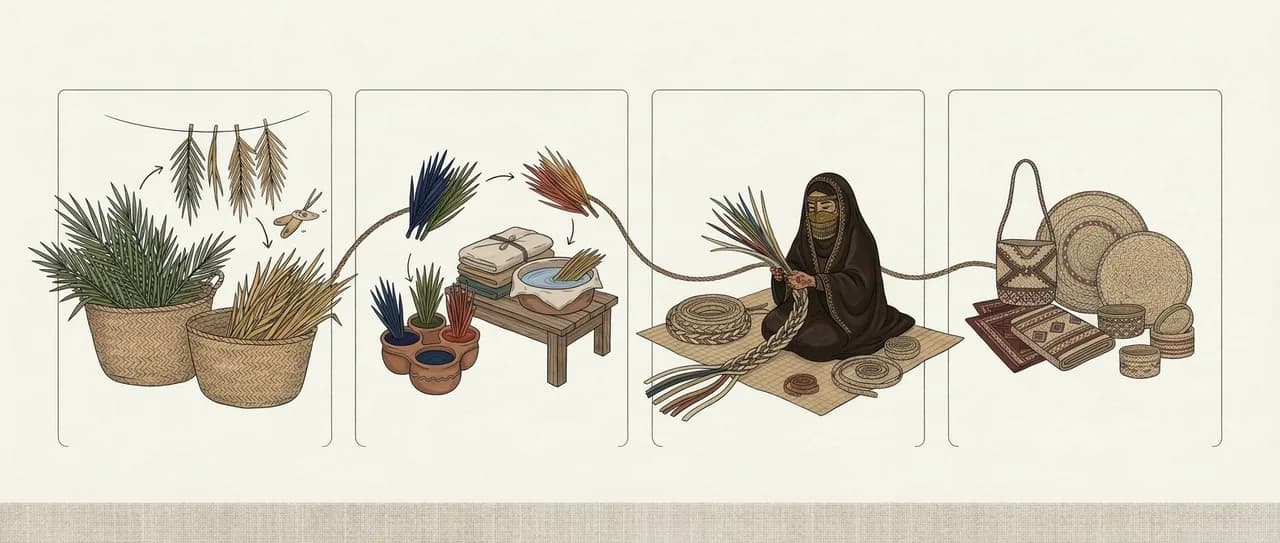
The process begins with collecting, cleaning and drying the palm fronds. Some are dyed in colours inspired by nature, while others retain their natural shades. Once prepared, the fronds are softened in water, then braided into long, flat strips called Safifa (صفيفة). These strips are carefully stitched together using a traditional needle-like tool known as Mikhyat (المخيط), gradually taking shape as baskets, mats, fans and other everyday objects. Each piece reflects the artisan’s patience, precision and skill.
Woven for everyday life
From carrying harvests to serving meals and keeping cool in the summer heat, Al Khous produced objects for almost every aspect of traditional life.
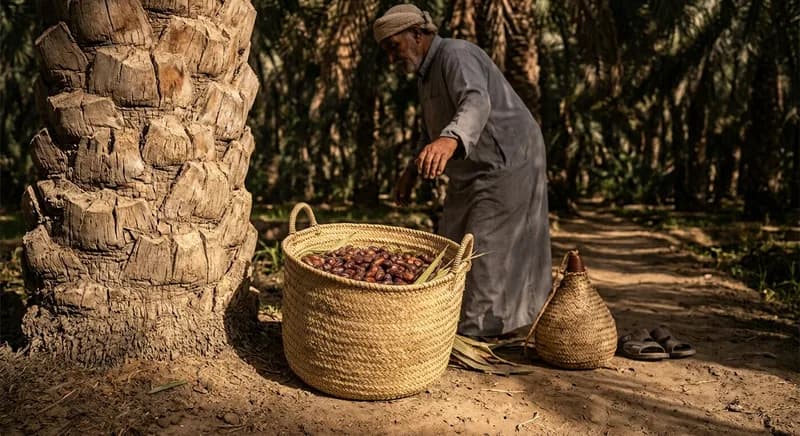
Jefeer (الجفير)A sturdy woven basket used to carry dates, harvests and household materials. 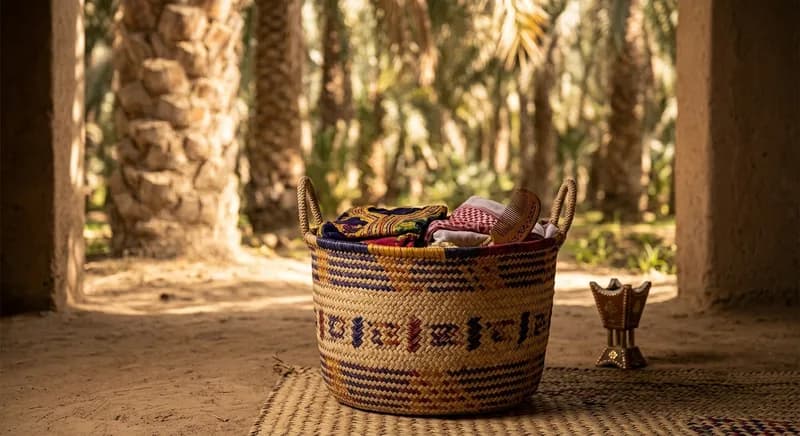
Quffa (القفة)A smaller, often colourful basket used to store clothes and household belongings. 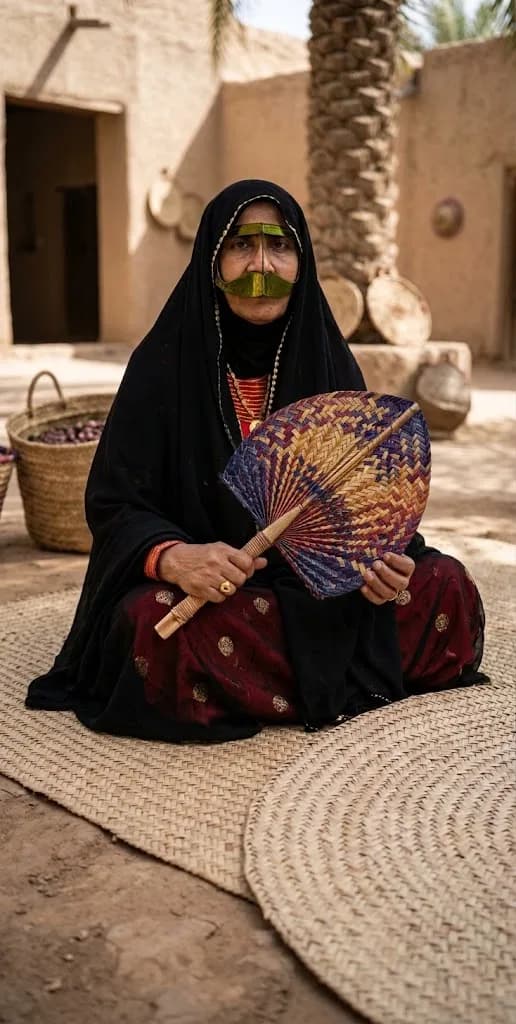
Mahafah (المهفة)A handheld fan made from woven palm fronds, traditionally used to create a cooling breeze. 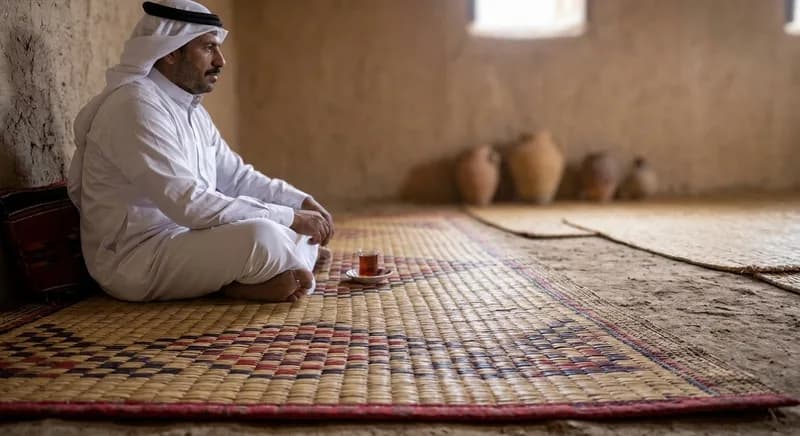
Hasir (الحصير)A woven mat used for sitting, sleeping and covering floors. 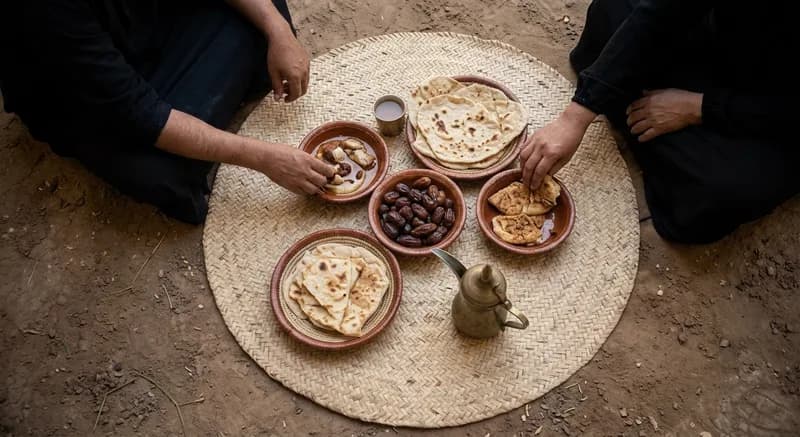
Surood (السرود)A circular mat placed on the floor for serving and sharing meals. 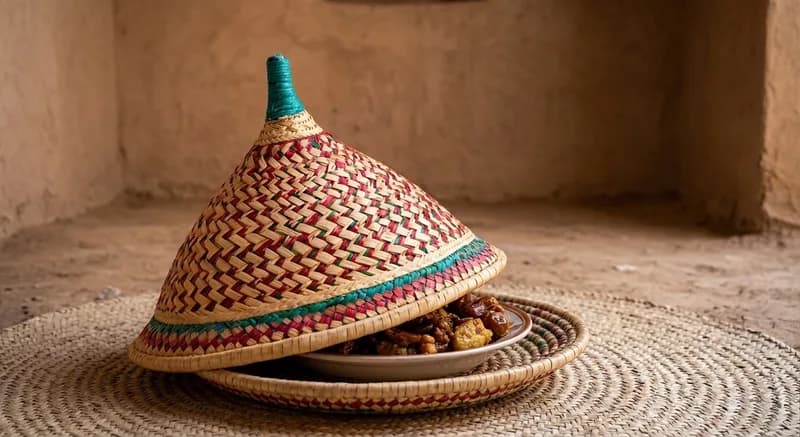
Makhabbah (المكبة)A woven cover placed over food to protect it from insects.
Nature’s Palette, Hidden Colours
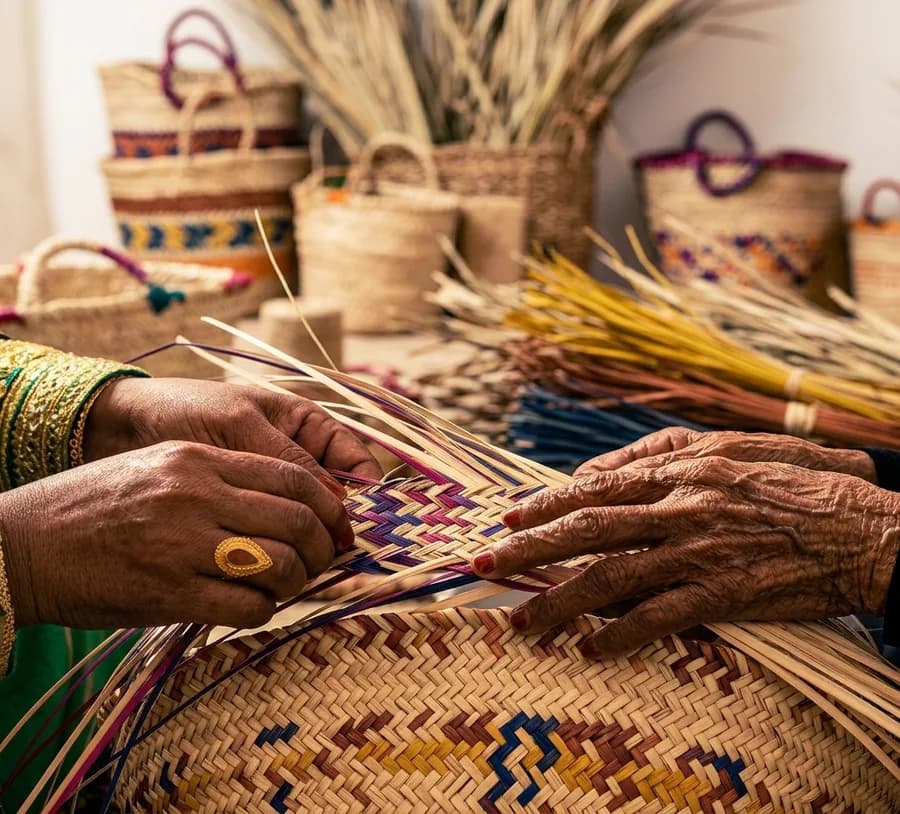
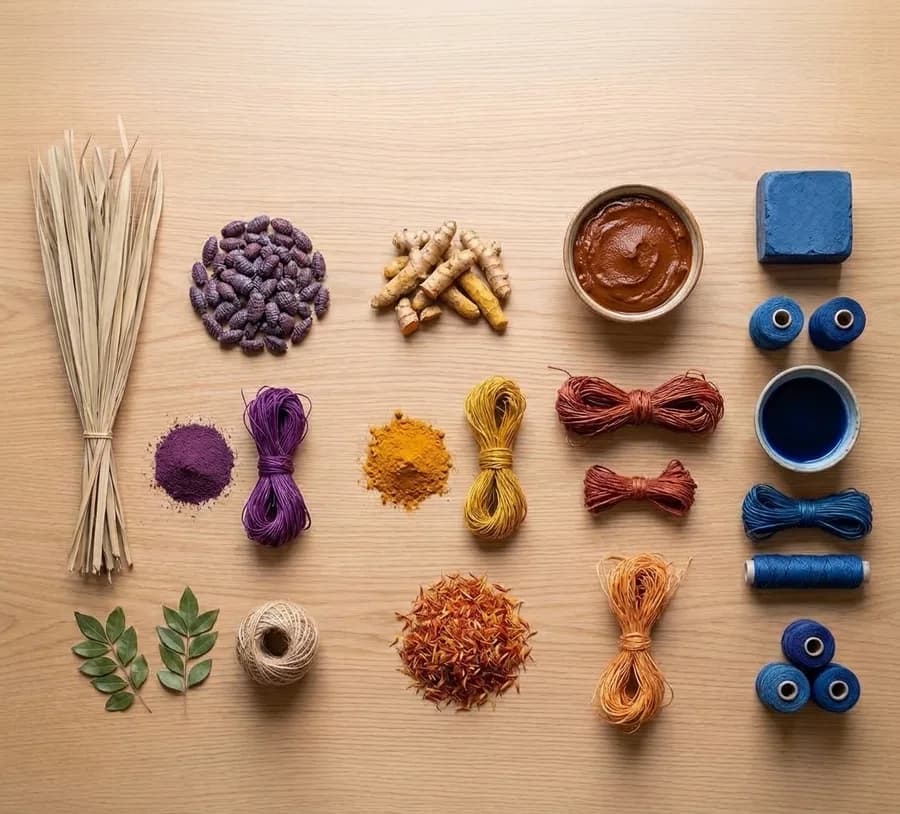
Al Khous weaving brings colour and creativity to the natural beauty of palm fronds. Traditionally, the fronds’ cream and beige tones were complemented by natural dyes made from ingredients such as henna, turmeric, indigo and safflower, creating shades of reddish brown, golden yellow, blue and orange. Alum and salt helped fix the colours, while geometric plaiting patterns added texture and character. Today, synthetic dyes have also introduced brighter blues and greens, expanding the craft’s visual possibilities.
- Natural frond – cream and beige
- Cochineal – rich purple
- Turmeric – golden yellow
- Henna – reddish brown
- Safflower – light orange
- Indigo – blue